Labelling Emotions
Children use body and facial expressions to reflect their emotions. By the same token, children need to interpret body and facial expressions as part of their emotional development.
Children who cannot express their needs could get frustrated or miss out on engaging in activities with other children. One example is a child who is too shy to ask peers to play with them. Another example is a child who is trying to get a toy or a game from someone else. In both examples, children need to be able to express what they want and understand the feedback of other children whether verbal or non-verbal.
Role of educators:
How can educators help children enrich their emotional vocabulary and enhance their communication skills in order to successfully negotiate what they want?
Educators need to provide activities that help children recognise emotions such as anger, sadness, surprise, happiness, and frustration in themselves and other children. A child who can recognise the intentions of other children by correctly reading their emotional expressions will have a better chance of being included in any setting.
Expressing and interpreting emotions are pathways to emotional regulation and successful socialisation.
Building a vocabulary of emotions from simple to complex ones is part of children’s socio-emotional development. According to Plutchik’s wheel of emotions (Six Seconds, n.d.), the basic emotions are joy, disgust, anger, and anticipation, and their opposites are sadness, trust, fear, and surprise respectively. The combination of two basic emotions brings up a new emotion.
Children need concrete activities to interpret and label emotions. Educators could teach children how to recognise the affective states of other children by looking for their body language, facial expressions, and tone of voice.
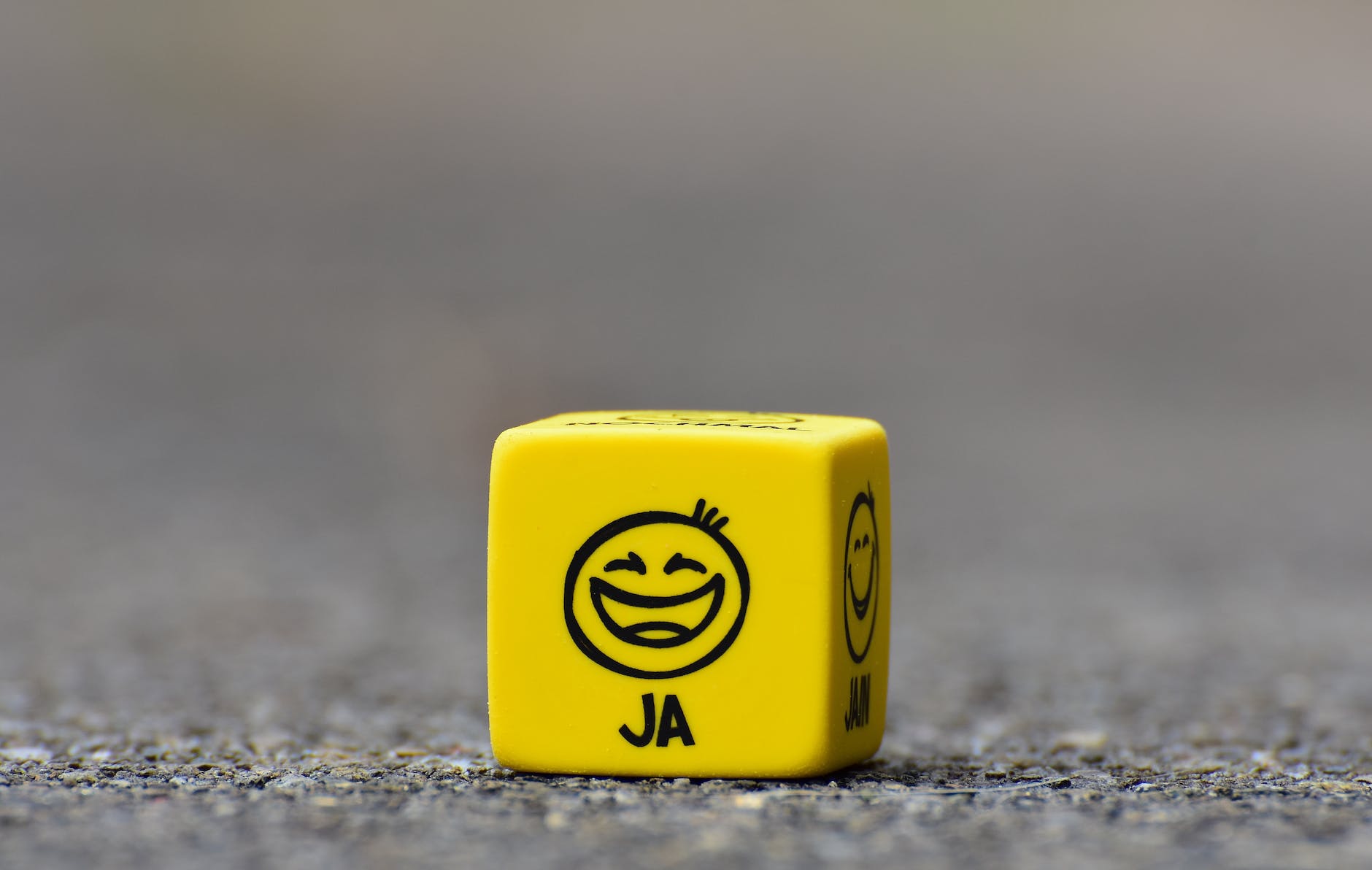
A simple activity of having a face with a printed emotional label could be a starting point.
Reading children’s books to children can contribute to their understanding of affective states. Often, in children’s books, the plot revolves around an issue that triggers an affective state and how to resolve the issue.
Games could be used as well. One example is asking children to play musical chairs. On each chair, there is a card of a facial expression flipped face down. When the music stops and the children sit down, they are asked to turn the card over and explain what emotion the face is expressing. They are also asked to make the same face. The children are then asked to go for a second round and repeat the process and so on. This allows the children to experiment with facial expressions in a non-threatening environment. More complex emotions could be introduced as children learn the basic ones.
The Georgetown University Center for Child and Human Development (n.d.) proposed other ideas. The educator could:
- Provide activities that help children label their emotions. For example, they could look at the mirror and make faces and then try to label the emotion.
- Read a book to the children and ask them to guess how the child is feeling based on the text or based on the illustrations.
- Ask children during “show and tell” to make a facial or a body expression about how the activity they are sharing made them feel.
- Assist children in making up a song about activities or actions that make them feel happy, sad, angry, surprised, and so on. The words of a familiar song could be adapted.
- Provide props for children to role-play different experiences in the dramatic area. An example is going to see the doctor and trying to act the experience out.
- Prepare cards of activities and facial expressions and ask children to pair the activity with the facial emotion it brings in them.
- Play a game with children where one child chooses a card that has an expressed facial emotion and imitates that emotion. The other children must guess the emotion.
- Prompt children to come up with a solution for a child who is sad, angry, or unhappy about an event through problem-solving.
Why are interpreting and labelling emotions useful?
Joseph and Strain (2003) elaborated on the process. When children recognise and label their feelings, they develop emotional regulation and when they recognise and label other people’s emotions, they strengthen their problem-solving skills. The process then assists the children to come up with solutions acceptable to themselves and other parties thus generating a win-win outcome.
The educators could easily share the information with parents. Both parents and educators could scaffold children as they navigate the emotional realm around them. A synchronized process would support children as they grow up in a global world.
References:
Georgetown University Center for Child and Human Development. (n.d.). Ideas for teaching about emotions. https://www.ecmhc.org/ideas/emotions.html
Six Seconds. (n.d.). Plutchik’s wheel of emotions: Exploring the emotion wheel. https://www.6seconds.org/2022/03/13/plutchik-wheel-emotions/
Joseph, G. E., & Strain, P. S. (2003). Enhancing emotional vocabulary in young children. Young Exceptional Children, 6(4), 18-26. https://journals.sagepub.com/doi/pdf/10.1177/109625060300600403
 Future Global Children